How Often Should Hotels Replace Mattresses? Planning a Refresh
A hotel mattress lasts up to 5 years at most, and often less with heavy use or a lower-spec mattress. Where yours falls in that range comes down to the mattress you choose and how hard each room works. For a hotel, B&B or guest house, that makes replacement something to plan rather than react to. If you wait for guests to mention the bed, you're finding out from your reviews.
The good news is that most of it is in your hands. A mattress built for contract use, protected from its first night and checked on a routine lasts as long as it should, and replacing rooms in phases keeps both the cost and the disruption under control. Our contract mattresses are built for exactly that kind of hard-working room.
What decides how long a hotel mattress lasts?
A mattress in a hotel room has a harder life than one at home. It's slept on by a different guest most nights, sat on, and stripped and remade at every change. Our guide to why hotel mattresses are so comfortable explains what sets a contract mattress apart from a domestic one. Three things decide how well it copes.
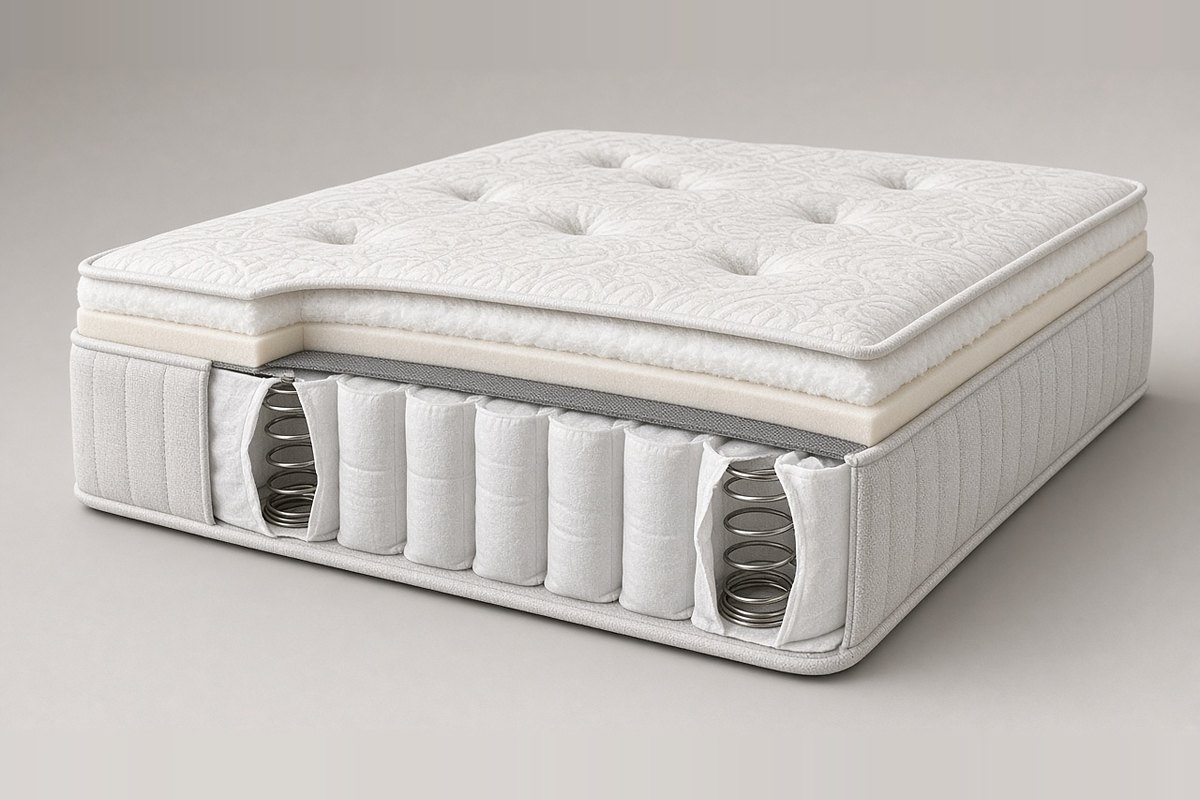
Quality comes first. The spring unit, the fillings and the stitched border decide how long a mattress holds its shape under nightly use. Type matters too, because pocket springs, open coil and foam each wear in their own way. Use is the multiplier: a room sold most nights of the year puts far more wear on a mattress than a room that is often empty.
That is why contract build matters. Every HotelContractBeds mattress and divan is made in the UK and is Crib 5 compliant, so it's built for commercial rooms from the start. Our Crib 5 contract mattresses are designed around the demands of hotels and commercial settings, and we can make beds and mattresses to bespoke sizes when a room calls for something outside the standard range. Start with the right mattress and the care and checks that follow have something solid to work with.
What signs show a hotel mattress needs replacing?
Even a well-chosen mattress wears, and a short check on each room tells you which ones are getting close. Build it into your housekeeping or maintenance rounds so it happens room by room, not only when there is a problem.
1. Dips and soft edges
A mattress holds its edge through its spring unit and border, and side stitching on the border adds support and helps prevent sagging. If the edge has softened, or a body-shaped dip stays after the bed is made, that mattress is losing its structure and should go on your list.
2. Lost shape or uneven filling
Run a hand across the surface for lumps, flat patches or tufts that have pulled loose. In a pocket sprung mattress the tufts hold the fillings in place, so loose tufts or shifted filling mean the mattress is losing its shape and belongs on your list.
3. Damage to the cover or handles
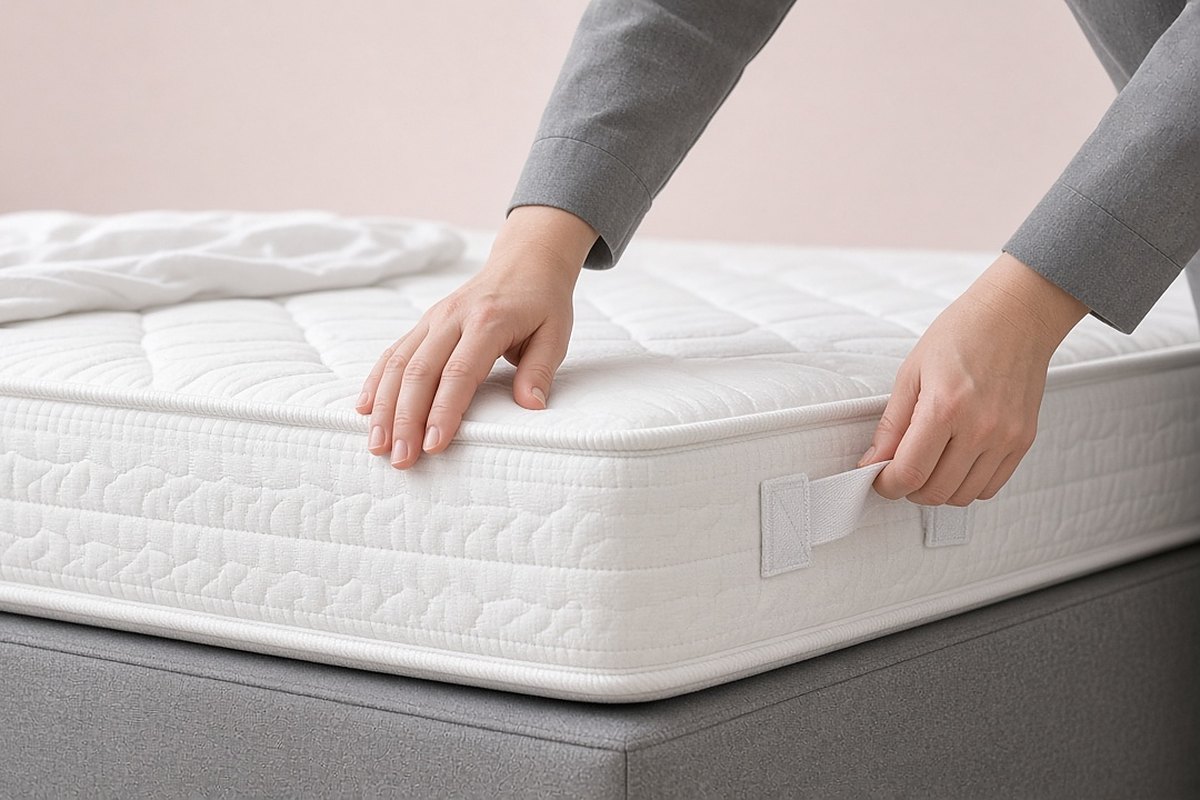
Look at the cover, the seams and the handles. A torn cover or split seam lets dirt into the fillings, where it can't be cleaned, so that mattress goes on your list. Handles are there to make turning easier for your team, so a torn one makes every turn harder.
4. Stains or marks on the mattress itself
A protector is your first line of defence. If marks have reached the mattress itself, replace the protector and add the mattress to your replacement list.
5. What your guests tell you
Reviews and comments that mention the bed are worth logging by room number. A pattern in one room points you straight to the mattress to check first.